Saturday, April 6, 2024

April 2-5

 Dear Parents,


Welcome back! We hope that everyone had a spring break that was equal parts restorative and full of adventure!

Reminders:

  • Please note that on Monday with the Lunar Eclipse students will not be going outside at lunch  break. 

  • With the warmer weather next week, please send your child with a change of socks and pants in case they get wet during their outside time.  

  • Please return the permission forms for the Leighton Art Center (April 22) and Swimming (April 29-May 3).  We will be reaching out to parent volunteers.  


We have had a busy week back. Take a look and see what we’ve been up to!


Wellness
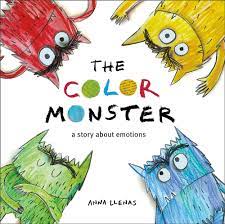
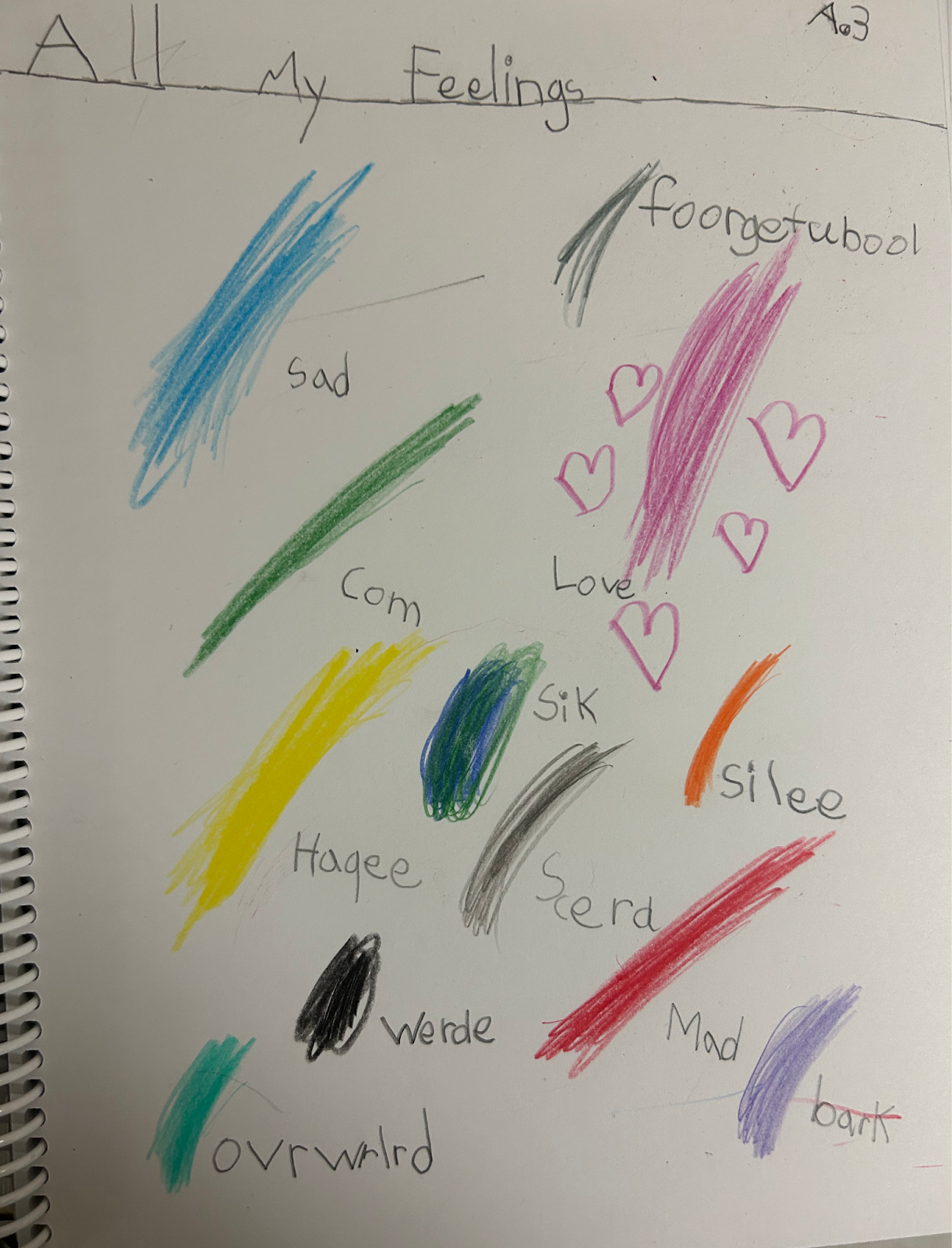
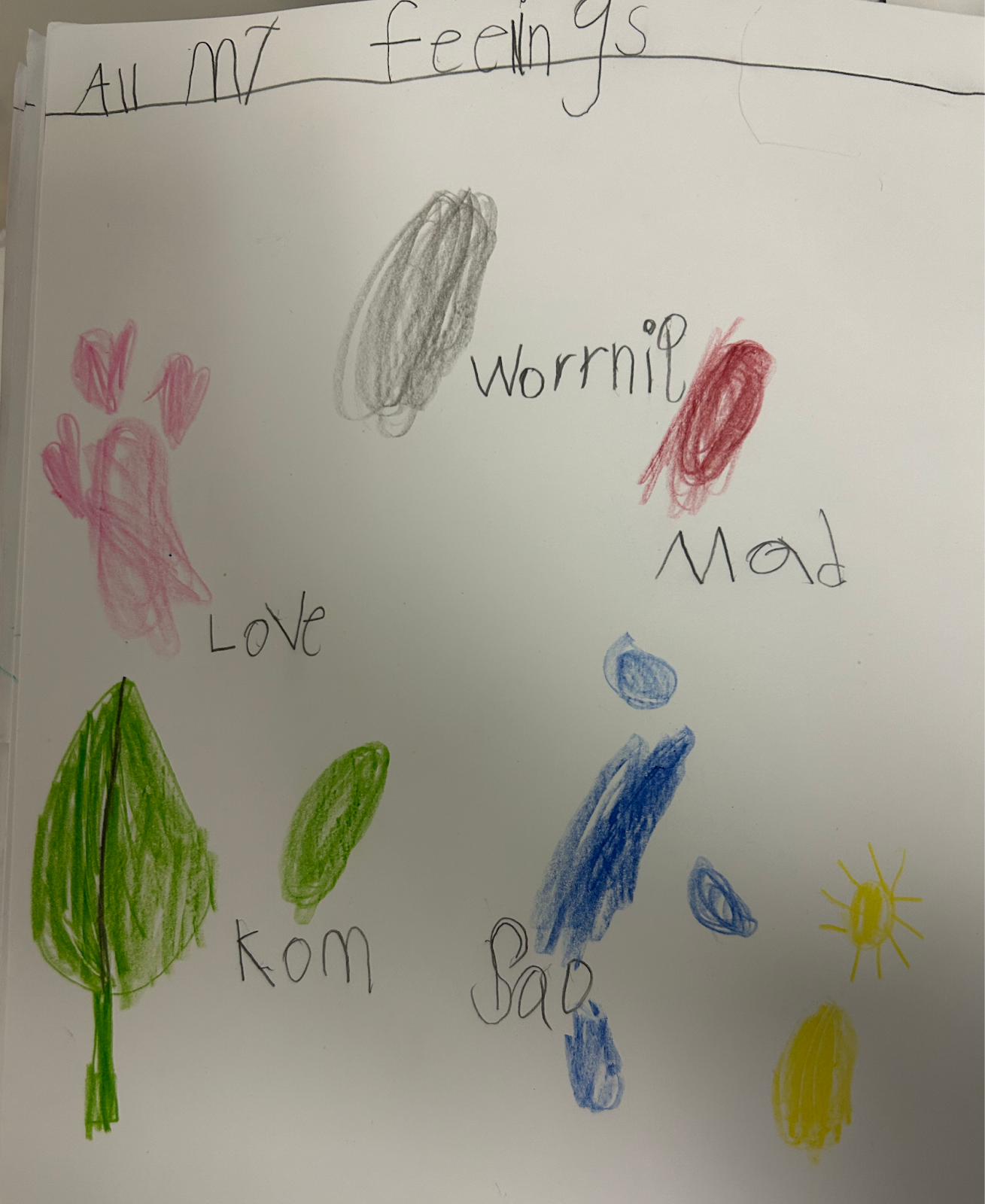
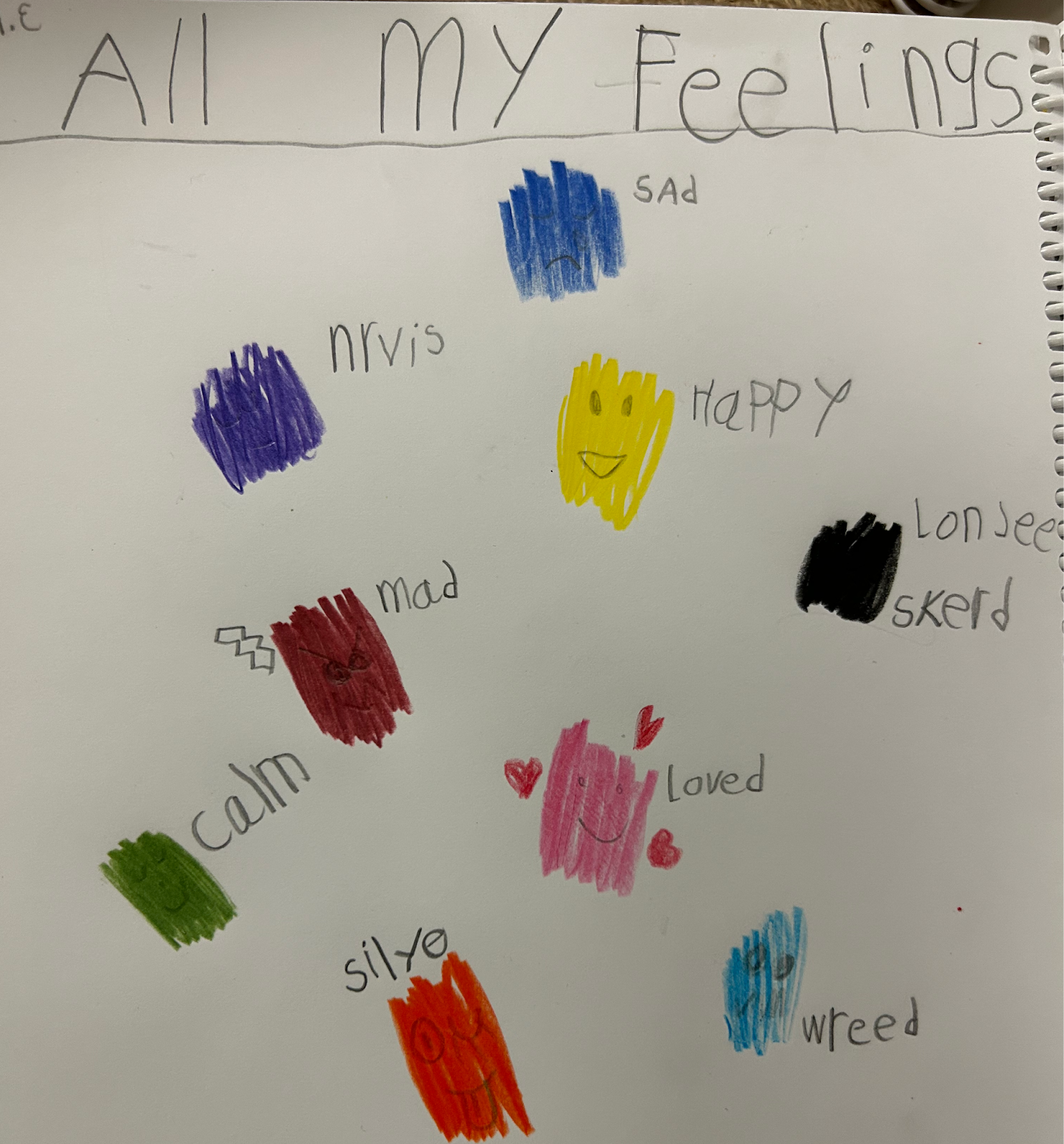
We concluded our work with Mrs. Sampson this week.  Using the Colour Monster as our mentor text we have been learning about our feelings, and strategies for dealing with with our feeling.  Students represented the feelings that they had learned through colours and descriptive words.  

Learning Intention:

Emotions show how an individual feels.


People can experience a range of feelings and emotions, such as

  • love

  • sadness

  • frustration

  • joy


Thoughts, feelings, and emotions are connected to behaviour.


Awareness of the body’s reaction to emotion helps an individual to choose appropriate responses, such as

  • focusing on breathing

  • taking a movement break

  • seeking out a supportive adult

  • identifying feelings


The body experiences responses to emotions, including fight, flight, or freeze.


Science 

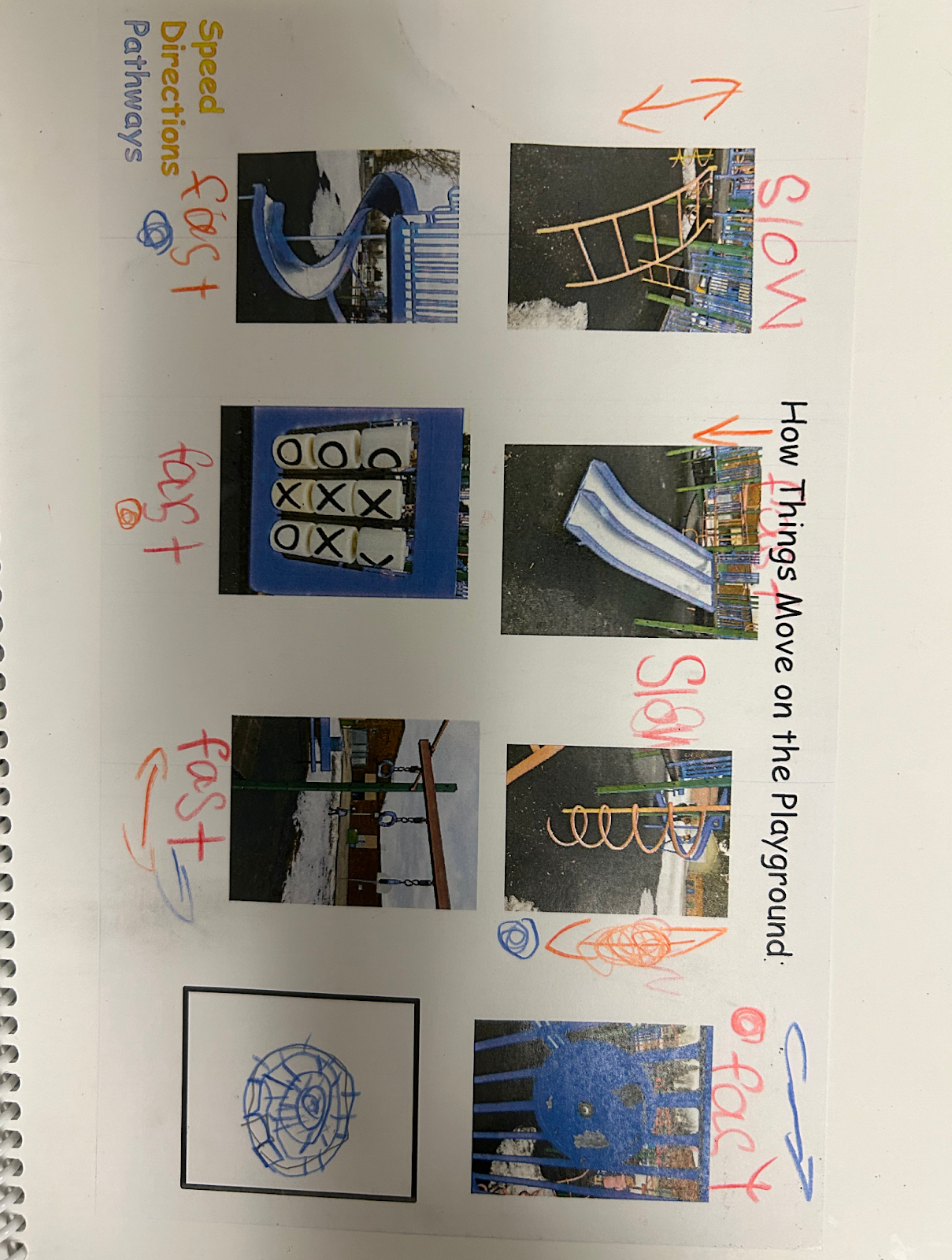
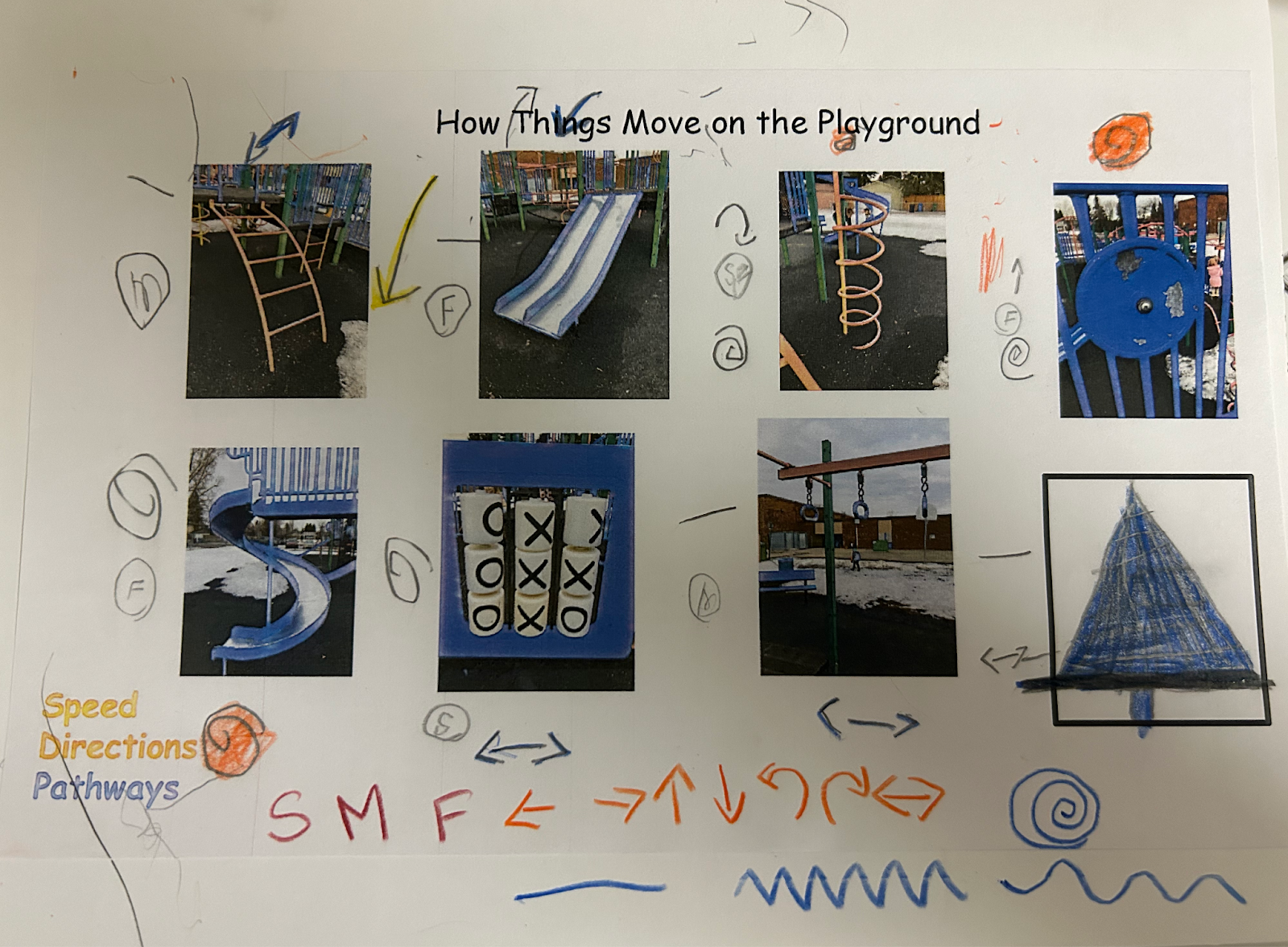
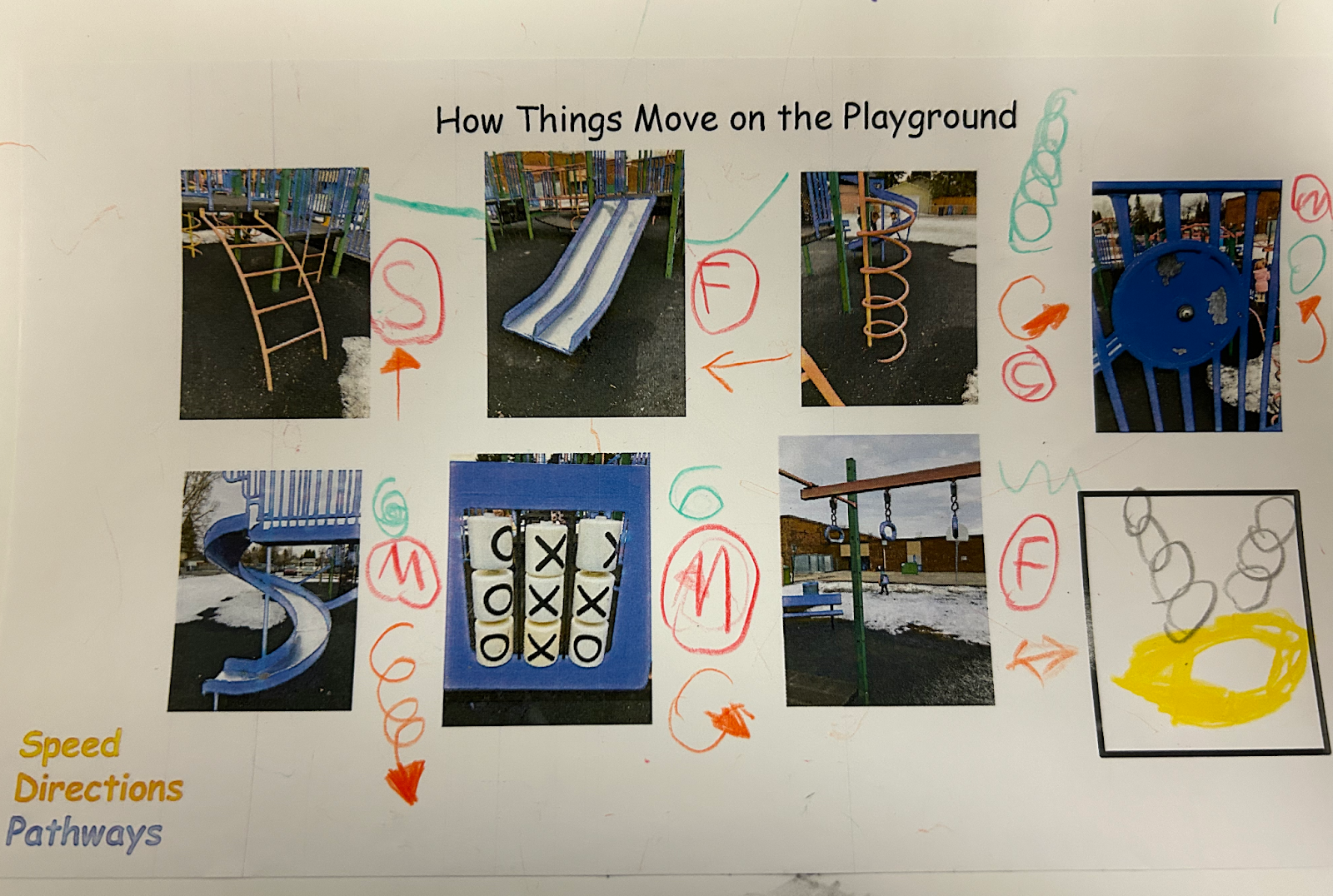
We concluded our unit on energy.  Students worked to explain their understanding of speed direction and pathways using our playground as an example.  


Learning Intentions:

Movement consists of direction, a pathway, and speed.

The movement of objects can be influenced in a variety of ways. 


TREX
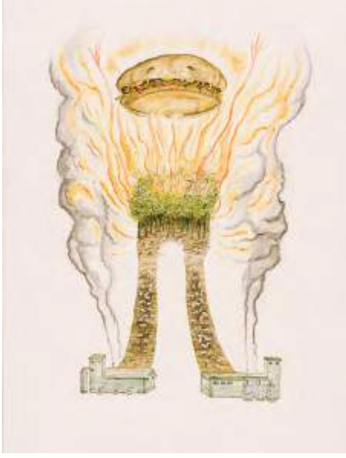
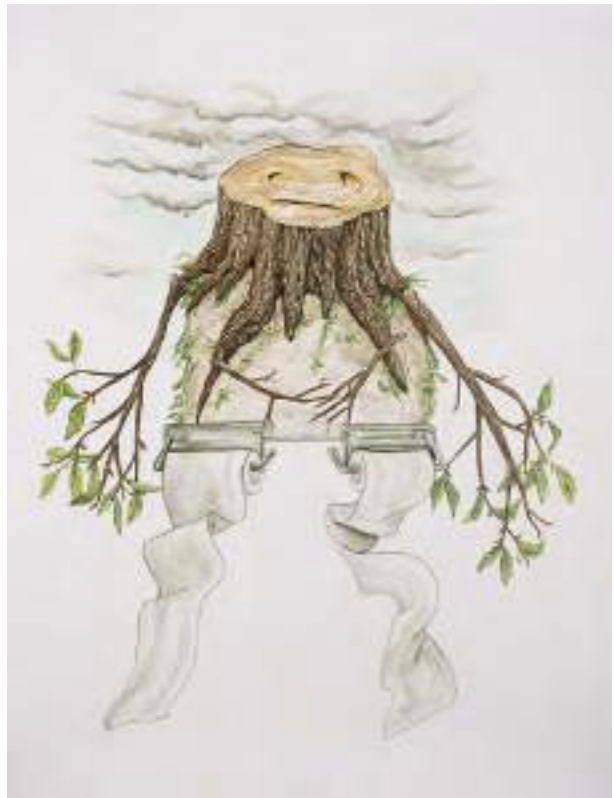
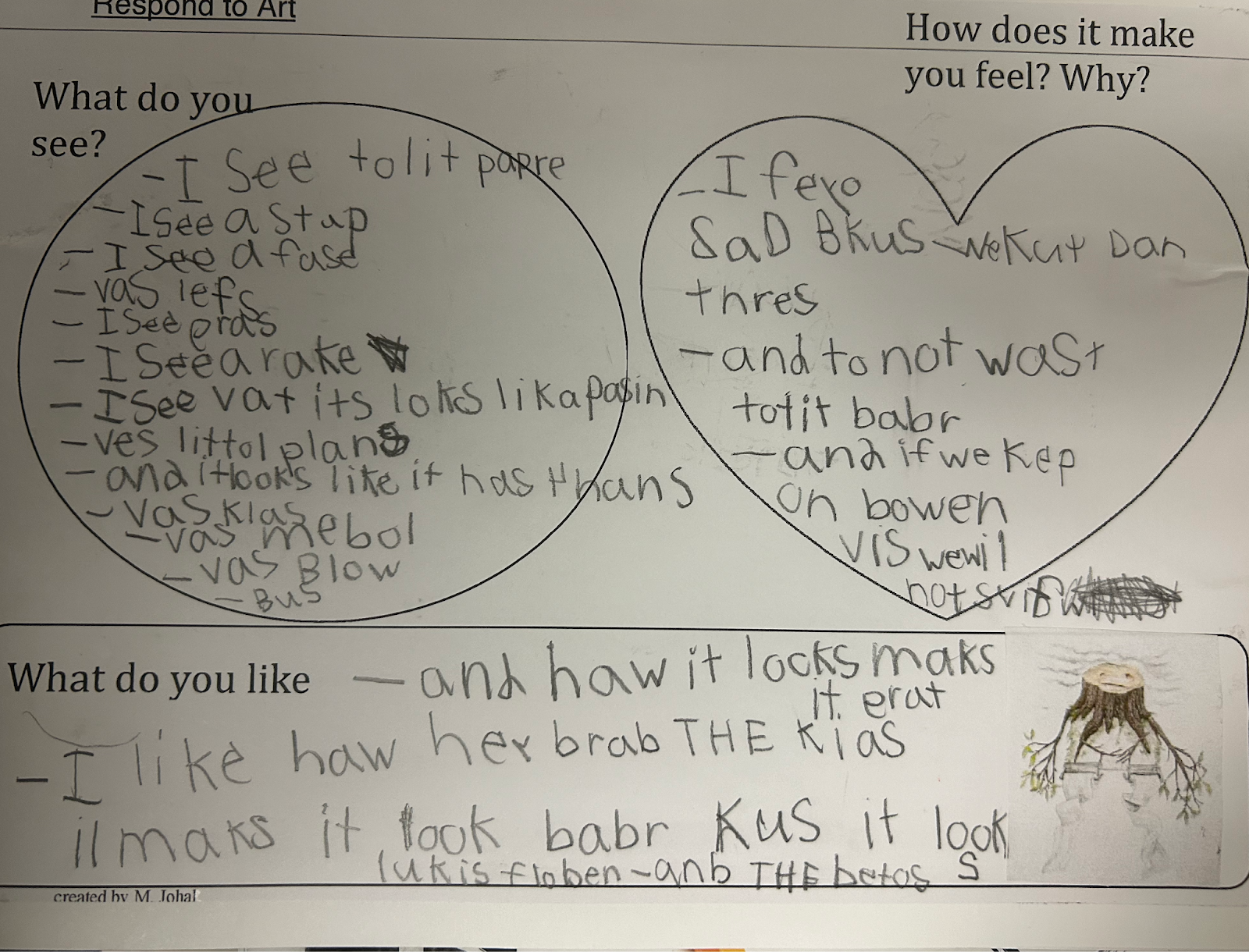
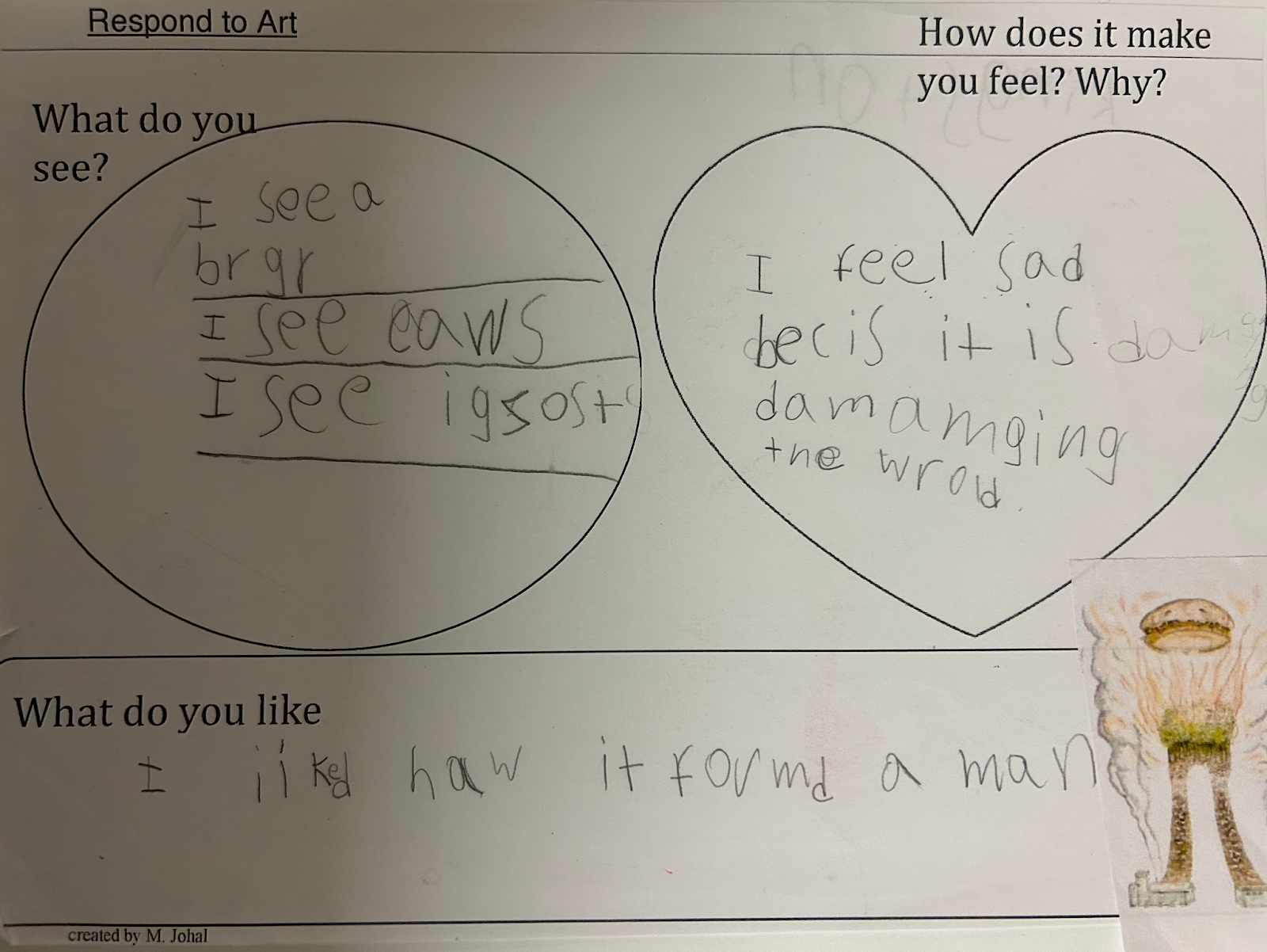
For the second year Andrew Sibbald is fortunate enough to host a traveling art exhibition supported by the Alberta Foundation for the Arts.  The exhibition Land Eaters feature work by one artist Jude Griebel.  His work represents images of the land  being impacted by human interactions.  Students have had to opportunity to view the exhibition for the last few weeks in the learning commons.  This week we look closely at on one piece and responded to the art through discussion and in writing.


Learning Intention:

  • I can view and respond critically to art work. 


UFLI

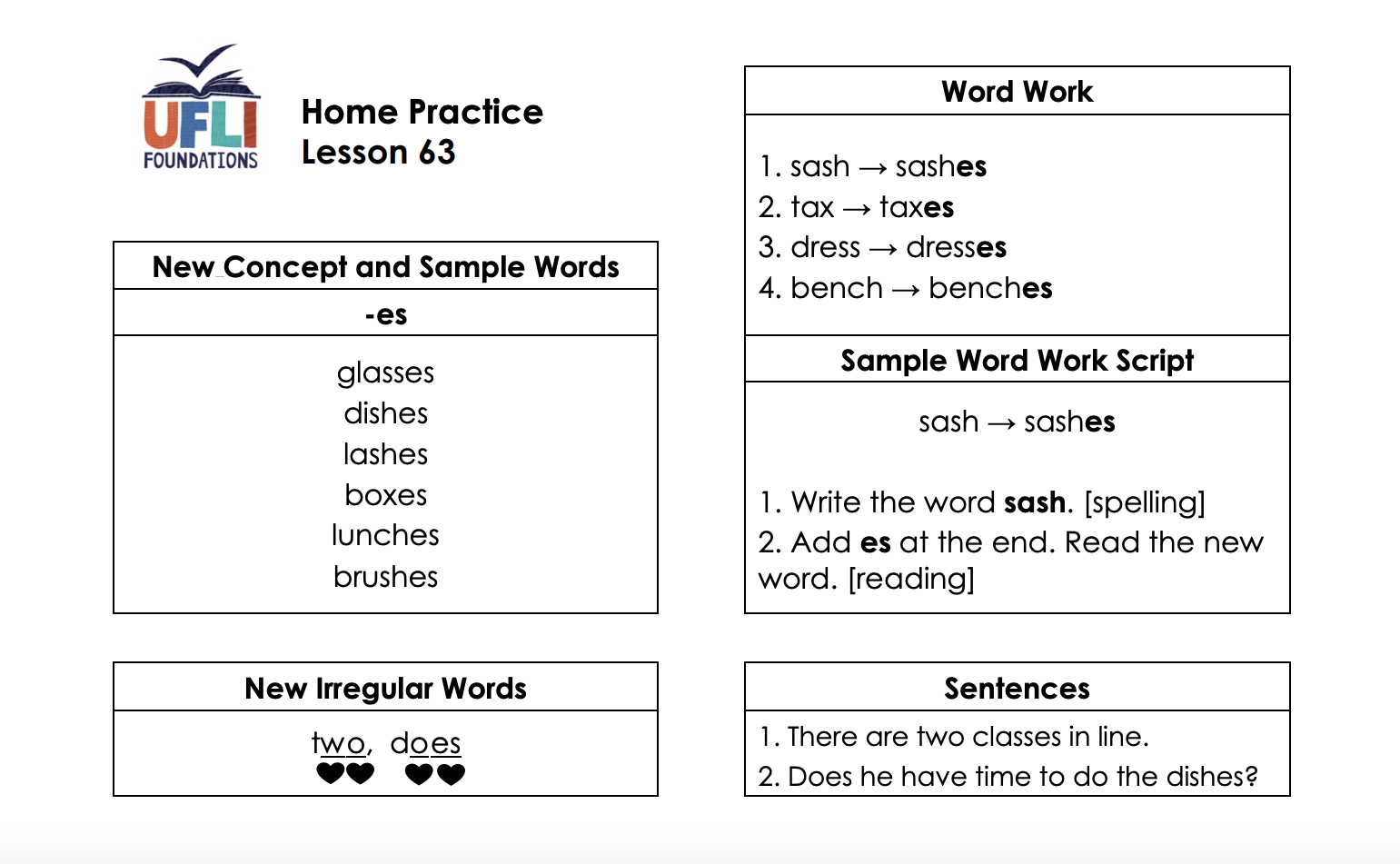
The following is a summary of the word work we focused on this week. 

Friday, March 22, 2024

March 18-22

 March 18-21


Thank you to all our parents and families who took the time to join us for Parent Teacher conferences.  It is an exciting time of year as we celebrate the growth made already since January report cards and set some goals for moving into the final part of the school year.

We wish you all a relaxing Spring Break with time to spend with family.  We look forward to welcoming everyone back on April 2nd.


Here are just a little recap from the week. 


Spring (or Winter?) Walk

Although our plan for going to Fish Creek didn’t work out, we still enjoyed a walk outside in the snow.  We looked for signs of winter and spring and we transition into a new time of year and season.  We look forward to getting outside again soon and hope to reschedule for going to Fish Creek in April.


We found a quiet spot to sit under the trees, to take a moment to be aware of our surroundings and use our 5 senses to connect to our environment.  After listening to the sharing of Elder Saa’kokoto through a video, he reminded us of using our spirit, heart, bodies and minds to connect with Mother Nature.  We took a moment outside to listen with our hearts, mind, body and spirit and thank Mother Nature for the gifts of our land,  


Pathways in the Snow 


Learning Intentions:

I can observe and describe direction, pathway and speed

I can observe seasonal changes in local environments

I can discuss how changes in the appearance of environments, plants and animals are related to the seasons


Math

This week, we had a very brief introduction into take away situations.  We will pick up and continue this work after Spring Break


What Is a Takeaway Situation?

In a takeaway situation, there are a certain number of items present. These are the whole. Then some items are removed.

These items can be eaten, given away, dropped, or removed in another way.

For example, if there were 10 children in a room and 2 left, this is a takeaway situation.


Using the Subtraction Symbol

When you have a takeaway situation, you can describe it by subtracting what you took away from what you started with. You can use a subtraction symbol to write subtraction.

For example, 8 – 2 can be read as “8 minus 2” and can describe a situation where 2 is taken away from 8. In takeaway situations, you might also read this as “2 less than 8” (which implies taking 2 from 8) or as “8 take away 2.” It might be best to avoid saying “take away” for all subtraction situations, though, since not all are takeaway situations.

The answer is called the difference.


Takeaway Models

You can show takeaway situations using counters on a 10-frame:

11 – 3

It is best to take away the last few counters, not the first counters. Taking away the last few counters will make it easier to see how many counters are left on the 10-frame.

You can show takeaway situations using counters without a 10-frame.

11 – 3

You can show takeaway situations using counters on a number path.

11 – 3

Or

11 – 3

It is best to take away the counters on the greater numbers. Leaving the counters on the lower numbers will make it easier to see how many counters are left.

You can show takeaway situations using a bar model. Show the whole, or the total amount, in the top bar. Show how much you remove in one of the bottom boxes.

11 – 3


Helping Your Child

When takeaway situations with relatively small numbers arise, you could ask your child to tell you what is being subtracted from what.

You might allow your child to figure out what will be left, but that is not the focus in this particular lesson.

For example, if there were 5 plates on the table and you removed 3, you could ask your child what subtraction just happened (in this case 5 – 3).


Notes

Notice that the bar model shown above does not help students figure out what is left. They can represent 11 as the whole and 3 as one of the parts, but a bar model doesn’t show how many are in the other part. However, a bar model does help students represent the whole and the parts they are working with.


Saturday, March 16, 2024

March 11-15

 March 11-15


This week was jam-packed with lots of exciting learning opportunities.  Here is a peek at some of the learning from this week.  


Pink Shirt Day Needle Felting with Grade 6 Buddies

We had the opportunity to work with our grade 6 buddies to build a beautiful representation of friendship and to mark Pink Shirt Day.  Thanks to our Student Voice who started this initiative, students in grade 1 and grade 6 partnered up to draw a heart, transfer it to felt square and then using roving wool and a felting needle created a quilted square that will be joined with others to create a friendship quilt.  


Teacher’s Pet

Thank you to our amazing parent volunteers that were able to join us for this in-school experience.  Student investigated energy and built their understanding of direction, pathway, and speed of moving objects and animals. Students built a wooden race car, tested vehicles on different materials, built a marble run, and played an informative animal game.  

Learning Intentions:

I can observe and describe the direction, pathway, and speed of objects or animals. 

I can conduct an investigation to determine how objects move. 

I can describe and record ways objects or animals move along different pathways.

I can demonstrate how the movement of objects can be influenced. 


Math

We have continued to explore and build our understanding of addition. 


Learning Intention

I can model addition and subtraction within 20 in various ways, including with a balance.

I can relate addition to various contexts involving composition or decomposition of quantity.

I can investigate addition 

I can add within 20.

I can solve problems using addition


The following is a summary of the key ideas that could support your child’s learning.

Combining Parts to Make a Whole

Sometimes you know the size of parts, and you want to figure out the size of the whole. Adding can help you.

For example, if there are 4 adults and 2 children at the park, you might want to figure out how many people there are altogether.

You can add 4 and 2 to get the total, or whole, of 6.


Figuring Out How Much to Add

Sometimes you know the whole and one part, and you want to figure out the other part.

For example, if there are 8 birds in a yard and 3 are robins, you might want to figure out how many are not robins.

You can think about what to add to 3 to get to 8.

You can add 5 to 3 to get 8.


A New Model to Show Part-Part-Whole Situations

Another way to show the connection between parts and a whole is called a bar model.

A bar model shows the whole in one rectangle, or bar.

It shows the parts in another bar of the same length.

Early on, students might use linking cubes to create the whole and to create two parts that together are the same length as the whole. Then they can use the bar model to record what they did.


Science - Tale Bots - Robots


We snuck in a few minutes this week to start to explore the Tale Bots.  They are a ton of fun and had many of us giggling and laughing, as we tried to see what they could do.  We will try to spend a bit more time in the coming week exploring their features, and then we will start to see what we can really do with them, in connection to coding.


Saturday, March 9, 2024

March 4-8

 March 4-8


After wrapping up last week with puppets, this week found us moving back into our regular routines in Grade 1.  Here are some of the things we got up to this week.


Science


Learning Intentions:

I can explore how the shape, materials, and surface texture of objects affect how they move.

I can predict and test how different objects move based on their characteristics.

I can record my findings about how objects move in different ways.


As we continue to build our understanding of movement and energy, we tested various objects on different surfaces to see how they would move.  We were challenged to see if we could move the objects across a surface quickly and easily as well as slowly.  We then learned about how different factors can affect how an object moves, such as shape, texture, surface and material.  We have a solid understanding of these science concepts and look forward to increasing our knowledge and understanding with our Teacher’s Pet learning experience this coming Tuesday.  Be sure to login to your My CBE account if you have not done so already as the fee for this experience has been added to your child’s account.  We thank our parent volunteers who have also offered their time to join us during this experience.  

Here is some of the learning as we worked to reflect our understanding of different factors that influence movement. 


Wellness


I can recognize how emotions can be expressed 

I can identify and communicate feelings in a variety of contexts

I can identify responses to emotions


We have moved on to focus on building an understanding of emotions following our learning with our puppet residency.  Mrs. Sampson, our Learning Leader for Wellness, is also supporting us with this work.  We read The Colour Monster and this week we focused on Anger and Frustration.  We talked about how our bodies might respond when we are feeling angry.  We then talked about different strategies that can help us when we are feeling angry.  We picked a few strategies that we would use first, to help us when we are feeling this way.  


Literacy


In reading and word work, we have now learned about all the long vowel sounds when there is a silent E at the end of a word.  We focused on the vowel U, which is tricky because it can actually make 2 different sounds with silent E.  Review of this vowel is important and all the other vowels, as we need to be flexible as readers to move between short and long vowel sounds.  


Math


This week in math students learned more about the meaning of addition and when we would consider joining situations as addition. Students use models, such as 10-frames and number paths, to show addition.

Learning Intention 

Recognize addition in situations that involve joining parts together.

I can choose how many objects to join in and make a group

I can show the groups in a model

I can write the numbers I add:  ____+_____ =


Adding on a 10-Frame

Adding counters to a group, perhaps on a 10-frame, can also help students visualize the process of addition.

The counters on this 10-frame show 5 and 3 more.


Using Symbols in Addition

Addition is new to students in Grade 1, even though they have informally experienced joining situations in Kindergarten and earlier in this grade.

Students can use the + symbol to describe addition.

So, 4 and 3 can be written 4 + 3. It is read “4 plus 3” or “4 and 3 more.”

Eventually, students will also use equations such as 4 + 3 = 7 to represent addition, but not in this topic.


Helping Your Child

Joining situations occur frequently in day-to-day life. Whenever you and your child find yourselves in a joining situation involving small numbers, ask your child what is being added.

For example:

If 3 dogs are in a park and 2 more dogs arrive, the addition situation is 3 plus 2.

If 4 people are in a room and 3 more come in, the addition situation is 4 plus 3.

If appropriate, you could work with your child to figure out the sum. Use concrete materials to represent the amounts being added, if it is helpful to do this.


June 17-21

June 17-21 A few reminders: All Home Literacy/Decodable Books - Please have your child return these.  We will not be sending any more home f...